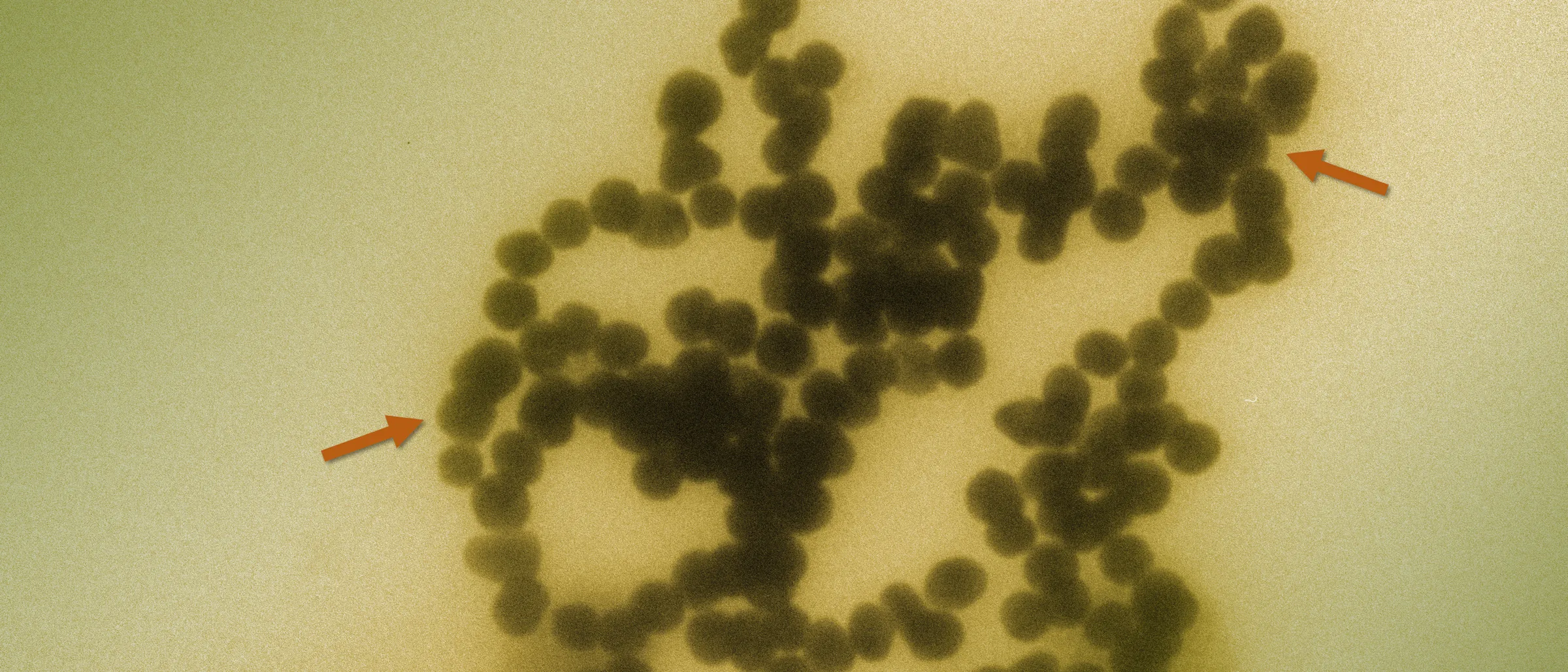
- Nanotechnology in food packaging uses particles, platelets or fibres with at least one dimension between 1 and 100 nm to improve barrier and mechanical properties, to make packs active, or to add sensing functions.
- The EU definition of nanomaterial is set by Commission Recommendation 2022/C 229/01, which replaced Recommendation 2011/696/EU and uses a 50% number threshold for particles of 1-100 nm.
- Nanoclay platelets slow gas permeation by forcing molecules along a tortuous path, and fully exfoliated clay gives far larger barrier gains than intercalated clay.
- Under Regulation (EU) No 10/2011, substances in nanoform may only be used in plastic food contact materials if explicitly authorised, and in 2023 only titanium nitride and two forms of zinc oxide nanoparticles were.
- Migration studies of commercial nanosilver containers found silver release below permissible limits, with more release into acidic simulants and at higher temperatures and longer storage times.
- Nanoclay in polyethylene raised the activation energy for contaminant diffusion from 47.3 to 78.5 kJ/mol, which lengthens decontamination in food-grade recycling.
Nanotechnology in food packaging means adding particles, platelets or fibres with at least one dimension between 1 and 100 nm to a packaging material so that it behaves differently. The particles can improve the material itself, mostly as a barrier against oxygen, carbon dioxide and water vapour. They can make the pack active, releasing or absorbing something such as silver ions or oxygen. Or they can make it intelligent, part of a sensor or indicator that reports on the food.
Nanoclay barrier layers in plastic bottles are the best documented commercial use. Most of the nano antimicrobials and nanosensors described in reviews have not been reported as commercial products. In the EU a nanomaterial can only be used in plastic food contact materials if it is specifically authorised in nanoform, and in 2023 only three substances were.
What nanotechnology does in food packaging
Packaging scientists sort nano applications into improved, active and intelligent packaging, according to what the nanomaterial is for. In improved packaging the particles stay locked in the polymer and change its physical properties: gas and moisture barrier, stiffness, heat resistance or UV blocking. The standard example is a polymer loaded with a few percent of clay platelets.
In active packaging the particles, or ions from them, are meant to interact with the food or the headspace. The EU defines active materials as those designed to "deliberately incorporate components that would release or absorb substances into or from the packaged food or the environment surrounding the food", and intelligent materials as those that "monitor the condition of packaged food or the environment surrounding the food" (Regulation (EC) No 450/2009, Article 3). The companion page on active vs intelligent packaging covers both categories beyond the nanoscale.
What counts as a nanomaterial
The EU's reference definition is the Commission Recommendation on the definition of nanomaterial (2022/C 229/01), published in Official Journal C 229 of 14 June 2022. It replaced Recommendation 2011/696/EU. A nanomaterial is "a natural, incidental or manufactured material consisting of solid particles" where 50% or more of the particles in the number-based size distribution have one or more external dimensions in the range 1 nm to 100 nm.
A material with a specific surface area by volume below 6 m²/cm³ is not considered a nanomaterial, and single molecules do not count as particles. The 50% threshold is now fixed; the 2011 version allowed it to be lowered in specific cases. The Recommendation does not mention food contact materials, and the plastics rules use their own wording about substances "in nanoform".
Many packaging fillers sit at the edge of the definition. A clay platelet is about 1 nm thick and about a micrometre wide. Titanium nitride authorised for PET has primary particles of roughly 20 nm that form agglomerates of 100-500 nm inside the polymer. Both are nanoscale in at least one dimension, although neither behaves like a free nanoparticle once it is embedded in plastic.
Nanomaterials used in food packaging
The status column below refers to plastic food contact materials under Regulation (EU) No 10/2011, whose Article 9(2) says "substances in nanoform shall only be used if explicitly authorised and mentioned in the specifications in Annex I". "Not listed" means the material is absent from the nanoform authorisations. It is not a finding that the material is hazardous.
| Material | Function | How it works | Example application | EU status (plastics) |
|---|---|---|---|---|
| Montmorillonite nanoclay | Gas and moisture barrier | Impermeable platelets force gas molecules along a longer, tortuous path | Nylon MXD6 or nylon 6 nanocomposite layers in multilayer PET bottles and films | Not listed in nanoform |
| Titanium nitride nanoparticles | Additive in PET | Primary particles about 20 nm, agglomerated to 100-500 nm and bound in the polymer | PET bottles and thermoformed PET sheet | Authorised, FCM No 807: PET only, up to 20 mg/kg, no migration of the nanoparticles |
| Zinc oxide nanoparticles | Transparent UV absorber; antimicrobial in research | Absorbs UV; releases Zn²⁺ ions and generates reactive oxygen species | UV-blocking polyolefin films | Authorised, FCM No 1050 (uncoated) and No 1046 (silane coated): unplasticised polymers only |
| Silver nanoparticles | Antimicrobial | Slow release of Ag⁺ ions that damage membranes, enzymes and DNA of microbes | Storage containers sold outside the EU | Not listed |
| Titanium dioxide nanoparticles | Photocatalytic antimicrobial; oxygen indicators | Generates reactive oxygen species under UV light | Research films; colorimetric oxygen indicators | Not listed in nanoform |
| Synthetic amorphous silica | Filler, barrier | Small particles reduce gas permeability of the matrix | Fumed silica in polypropylene (research) | Listed, FCM No 504, specified as primary particles of 1-100 nm aggregated to 0.1-1 µm |
| Carbon black | Pigment | Fine carbon particles fused into aggregates | Black pigment in plastics | Listed, FCM No 411, primary particles of 10-300 nm, max 2.5% w/w |
| Selenium nanoparticles | Antioxidant (active) | Particles of 50-90 nm act as an antioxidant from inside the adhesive layer | PET/LDPE multilayer laminates | EFSA found no safety concern in 2018 when separated from food by a polyolefin layer (active substance route) |
| Nanocellulose (CNF, CNC) | Oxygen and grease barrier, reinforcement | Dense network of hydrogen-bonded fibrils or crystals | Barrier coatings on paper and board; bio-based films | No nano-specific authorisation found |
| Chitosan nanoparticles | Antimicrobial | Cationic chains bind to anionic microbial cell walls | Starch and chitosan films (research) | No nano-specific authorisation found |
Improved packaging: barrier nanocomposites
A nanocomposite is a polymer with a dispersed filler that has at least one nanoscale dimension. In food packaging the filler is most often montmorillonite, a smectite clay built from 2:1 layers: two sheets of silica sandwiching a sheet of alumina. A single layer is about 0.96 nm thick, and the plate-shaped particles average around 1 µm across.
The tortuous path
Clay platelets are impermeable to gases. When they lie flat and well spread through a polymer film, an oxygen or carbon dioxide molecule has to travel around each platelet on its way through the wall. This longer, winding route is called the tortuous path, and it lowers the permeation rate without making the film much thicker.
The effect depends on aspect ratio, the width of a platelet divided by its thickness. A layer about 1 nm thick and several hundred nanometres wide has an aspect ratio in the hundreds, so a small weight fraction produces a long detour. Fillers with higher aspect ratios also have more specific surface area, which adds reinforcement. Typical nanoclay loadings in the literature are 1-5 wt%, with some formulations going up to 10 wt%.
Intercalated and exfoliated structures
How far the clay stacks come apart decides how much barrier you get. In an intercalated structure, polymer chains enter the gaps between clay layers but the stack stays ordered, with polymer and silicate alternating a few nanometres apart. In an exfoliated structure the layers separate completely and scatter individually through the matrix. In a tactoid or phase-separated structure the stacks stay intact and the material is a microcomposite.
Exfoliated systems give the best barrier. A 2020 review in Nanomaterials by Sarfraz and colleagues cites work on montmorillonite in polycaprolactone where intercalated composites gave little improvement, while fully exfoliated structures improved barrier properties by almost two orders of magnitude. The same review reports a 50% drop in oxygen permeability for polyethylene with 3 parts per hundred of nanoclay, and a 24% drop in an LDPE/clay nanocomposite.
Before compounding, the clay is usually treated with an organic modifier, for example hexadecyltrimethylammonium bromide, to widen the spacing between layers so the polymer can get in. Modifiers with several long alkyl chains gave larger spacing, and the review notes an inverse correlation between that spacing and gas permeability. Graphene and carbon fillers in 3D printing face the same dispersion problem, covered on the carbon fibre and graphene filament page.
Silica, titanium nitride and carbon black
The other nanoscale fillers in food contact plastics are compact particles. Fumed silica in polypropylene reduced oxygen, nitrogen and carbon dioxide permeability as silica content rose, with the largest reduction at 10 wt%. Synthetic amorphous silicon dioxide is listed in the EU plastics regulation (FCM No 504) with a specification of primary particles of 1-100 nm aggregated to 0.1-1 µm.
Titanium nitride is the clearest case of a nanoparticle authorised for a single use. EFSA first assessed it for PET bottles in 2008. In 2012 its food contact panel extended the opinion to thermoformed PET sheets and films, finding no safety concern at up to 20 mg/kg in PET because "no migration of the substance into food is expected". The Annex I entry (FCM No 807) carries the same limits.
Active nano packaging: antimicrobials and scavengers
Nano antimicrobials work as reservoirs. A small amount of metal dissolves at the particle surface over time, and the released ions act on microbes. Because the mechanism depends on something leaving the package, it has to be assessed as migration.
Nanosilver
Silver nanoparticles are the most studied nano antimicrobial in packaging. Reviews describe silver binding to bacterial DNA, proteins and enzymes, disrupting cell membranes and stimulating reactive oxygen species. Silver nanocomposites release silver ions slowly into stored food, which gives a lasting effect, and in one study 41 nm particles were more active than larger ones.
Nanosilver storage boxes and bags have been sold directly to consumers under names such as Fresher Longer, e.Window Nano Silver and Anson Nano. Silver nanoparticles are not listed for plastic food contact materials in the EU.
Zinc oxide and titanium dioxide
Zinc oxide nanoparticles act through direct contact with the cell wall, release of Zn²⁺ ions and generation of reactive oxygen species, and their antibacterial activity increases as particle size falls. In the EU they are authorised in plastics for a different job: EFSA assessed them as a transparent UV absorber, and Annex I restricts them to unplasticised polymers.
Titanium dioxide nanoparticles are photocatalysts. Their antimicrobial activity needs UV light, which generates hydroxyl radicals that attack cell membranes and DNA, so they do little in a pack kept in the dark.
Oxygen scavengers and antioxidants
Oxygen scavengers remove oxygen from the headspace or the pack wall, and some nanoclay barrier layers carry one. Honeywell's Aegis OXCE was a nylon 6 and nanoclay composite with an added oxygen scavenging function, aimed at beer and flavoured alcoholic drinks. Research groups have also described PLA films containing zero-valent iron, and films in which TiO₂ catalyses the oxidation of a polybutadiene.
Selenium nanoparticles went through the EU assessment as an active substance. In 2018 EFSA evaluated them as antioxidants in the adhesive middle layer of PET/LDPE laminates. The particles were 50-90 nm across, selenium migration was not detectable at a detection limit of 2.3 µg/kg, and EFSA found no safety concern when a polyolefin food contact layer separates the particles from the food.
Intelligent packaging and nanosensors
Intelligent packaging reports on the food or its environment without acting on it. One UV-activated oxygen indicator uses TiO₂ nanoparticles to photosensitise the reduction of methylene blue, so the dye changes colour when oxygen gets in. Triangular silver nanoplates have been proposed as colorimetric time-temperature indicators, and antibodies attached to quantum dots have been tested for detecting bacteria.
These are mostly laboratory systems. Regulation (EC) No 1935/2004 requires that intelligent materials do not give information about the food's condition that could mislead consumers. The active vs intelligent packaging page covers indicators and sensors in more depth.
Bio-based nanomaterials: nanocellulose and chitosan
Bio-based nanomaterials come from renewable polymers, and research often pairs them with biodegradable matrices such as starch or polylactic acid (PLA) to improve moisture resistance and gas barrier.
Cellulose nanofibrils are 5-20 nm wide and several micrometres long, while cellulose nanocrystals are rod-like and typically 100-1000 nm long. Dry nanocellulose films can be very good oxygen barriers: one study reported an oxygen permeability of 0.0006 (cm³ µm)/(m² day kPa) for a film about 5 µm thick at 23 °C. Nanocellulose is also used as a grease barrier coating on paper and board.
Chitosan is a cationic polysaccharide. Its positively charged chains bind to the negatively charged cell walls of microbes and break their integrity. Chitosan nanoparticles have been added to corn starch films in laboratory studies.
A 2021 review in Materials notes that polysaccharide films "are quite brittle and exhibit poor water resistance and mechanical properties". Nanofillers help. Adding 4% cellulose nanocrystals to chitosan films reduced water solubility and water vapour permeation, and 5% nanoclay improved the thermal stability of potato starch films. In PLA, 3 wt% halloysite nanotubes reduced oxygen transmission from 3.0 × 10⁻¹³ to 2.0 × 10⁻¹³ cm³ cm/cm² s Pa. PLA is also a common 3D printing polymer, and the PLA vs PETG vs ABS comparison explains its heat and moisture limits.
Examples on the market
The documented commercial products are mostly barrier nanocomposites for bottles and films, described in sources from 2007 to 2015. Their current production status is not documented in those sources, so the figures below are what manufacturers and reviewers reported at the time.
- Imperm, from Nanocor and Mitsubishi Gas Chemical, is a nylon MXD6 and clay nanocomposite used as a barrier layer in multilayer PET bottles for beer and carbonated drinks. A 2007 Food Technology column reported the claim that 5% Imperm in PET beer bottles gave a six-month shelf life with less than 10% carbon dioxide loss, at a 10% cost premium over PET alone.
- Honeywell's Aegis OX formed the core layer of Anchor Brewing's three-layer 12 oz PET beer bottle, according to the same column, which also reported that Aegis CSD extended the shelf life of 0.5 L beer bottles from 9 to 16 weeks.
- Durethan KU 2-2601 was a nylon 6 and nanoclay grade from Bayer for improved gas and moisture barrier. Bayer also described cast nylon 6 nanocomposite films for paperboard juice containers.
- NanoTuff from Nylon Corporation of America was a nylon 6 nanocomposite with 10% clay and improved barrier to water, oxygen and carbon dioxide.
- Titanium nitride nanoparticles are used in PET bottles and thermoformed PET within the EU authorisation.
- Nanosilver food containers and nanoclay LDPE storage bags, such as Debbie Meyer BreadBags and Aisaika Everfresh bags, were sold to consumers and later tested in migration studies.
Is nano packaging safe? Migration and EFSA
The safety question is whether nanoparticles or their dissolved ions move from the package into the food, and in what amount and form. For particles fixed inside a polymer, EFSA's evaluations of titanium nitride, zinc oxide and selenium found no migration in nanoform. For antimicrobials that release ions, some migration is expected and measurable.
What migration studies found
Echegoyen and Nerín (2013, Food and Chemical Toxicology) tested three commercial nanosilver plastic food containers. Silver migrated from all of them, with total silver migration between 1.66 and 31.46 ng/cm², below permissible limits, and silver nanoparticles of 10-60 nm were detected in the simulants.
Artiaga and colleagues (2015, Food Chemistry) tested commercial containers under the conditions of Regulation (EU) No 10/2011. Silver migration increased with storage time and temperature, but overall silver showed a low tendency to migrate (17 ng/g). The particles found were 40-60 nm, and electron microscopy suggested they had transformed by associating with chlorine and sulphur.
Bazilio and colleagues (2022) found that acidity drives silver release. Dissolved silver from one sample reached 473 ng/kg in 3% acetic acid against 83 ng/kg in deionised water, while particle migration was far lower, between 0.00433 and 1.35 ng/kg. Smaller particles dissolved faster.
For nanoclay, Echegoyen and colleagues (2016) measured aluminium migration from LDPE nanocomposite storage bags into 3% acetic acid at 40 °C for 10 days: up to 51.56 ng/cm² from Aisaika bags and 24.12 ng/cm² from Debbie Meyer bags. A 2019 study of PLA with organically modified clays reported overall migration up to 0.88 mg/dm², well below the EU overall migration limit of 10 mg/dm².
How EFSA assesses nanomaterials
EFSA's Scientific Committee published its "Guidance on risk assessment of nanomaterials to be applied in the food and feed chain: human and animal health" in 2021 (EFSA Journal 19(8):6768). It covers novel foods, food contact materials, food and feed additives and pesticides, alongside a companion guidance on establishing whether a material contains small particles.
For food contact materials the approach is tiered. If evidence shows that nanoparticles do not transfer from the material, further toxicological testing may not be needed, although release of embedded particles through bending, stretching or abrasion should be considered. Where exposure is possible, the first in vitro tier looks at cytotoxicity, oxidative stress, inflammation and damage to the gastrointestinal barrier.
Zinc oxide shows how this works. In 2015 EFSA's food contact panel concluded that zinc oxide nanoparticles, uncoated or silane coated, do not migrate in nanoform from polyolefins, so the assessment moved to soluble ionic zinc. That migration met the specific limit, but combined with zinc from other dietary sources the upper limit of 25 mg per person per day could be exceeded. A 2016 opinion on uncoated nano ZnO in unplasticised polymers at up to 2% by weight again found no migration in nanoform.
Regulation in the EU and the US
European Union
Regulation (EC) No 1935/2004 is the framework for all food contact materials. Article 3 requires that materials do not transfer constituents to food in quantities that could endanger human health, bring about an unacceptable change in its composition, or deteriorate its taste and smell. It does not mention nanomaterials, but it applies to them like any other constituent.
Regulation (EU) No 10/2011 on plastic materials names them. Recital 23 refers to substances engineered to a particle size where properties "significantly differ from those at a larger scale, for example, nanoparticles", and Article 9(2) requires specific authorisation of substances in nanoform. Under Articles 13 and 14, a functional barrier layer does not exempt an unlisted nanoform substance, and a bulk substance on the Union list does not cover its nanoform. As of January 2023 three nanoform substances were authorised: titanium nitride (FCM No 807) and zinc oxide nanoparticles, coated (FCM No 1046) and uncoated (FCM No 1050).
Regulation (EC) No 450/2009 covers active and intelligent materials. Its recital 14 says engineered nanoparticles "should be assessed on a case-by-case basis as regards their risk until more information is known about such new technology", and Article 5 excludes them from the functional barrier exemption. The regulation foresees a Union list of authorised active and intelligent substances, and the Commission publishes a register of substances with valid applications.
United States
In the US, food contact substances are regulated by the Food and Drug Administration (FDA). In June 2014 FDA issued a final guidance for industry, "Assessing the Effects of Significant Manufacturing Process Changes, Including Emerging Technologies, on the Safety and Regulatory Status of Food Ingredients and Food Contact Substances" (docket FDA-2011-D-0490). It sets out what FDA considers when a change such as reducing particle size to the nanoscale may affect the identity, safety or regulatory status of a substance already on the market, or warrant a new submission.
The guidance recommends that manufacturers consult FDA, "particularly when the manufacturing process change involves emerging technologies, such as nanotechnology." The question is settled case by case, where Regulation (EU) No 10/2011 requires every nanoform used in plastics to be listed.
Recycling nanocomposite packaging
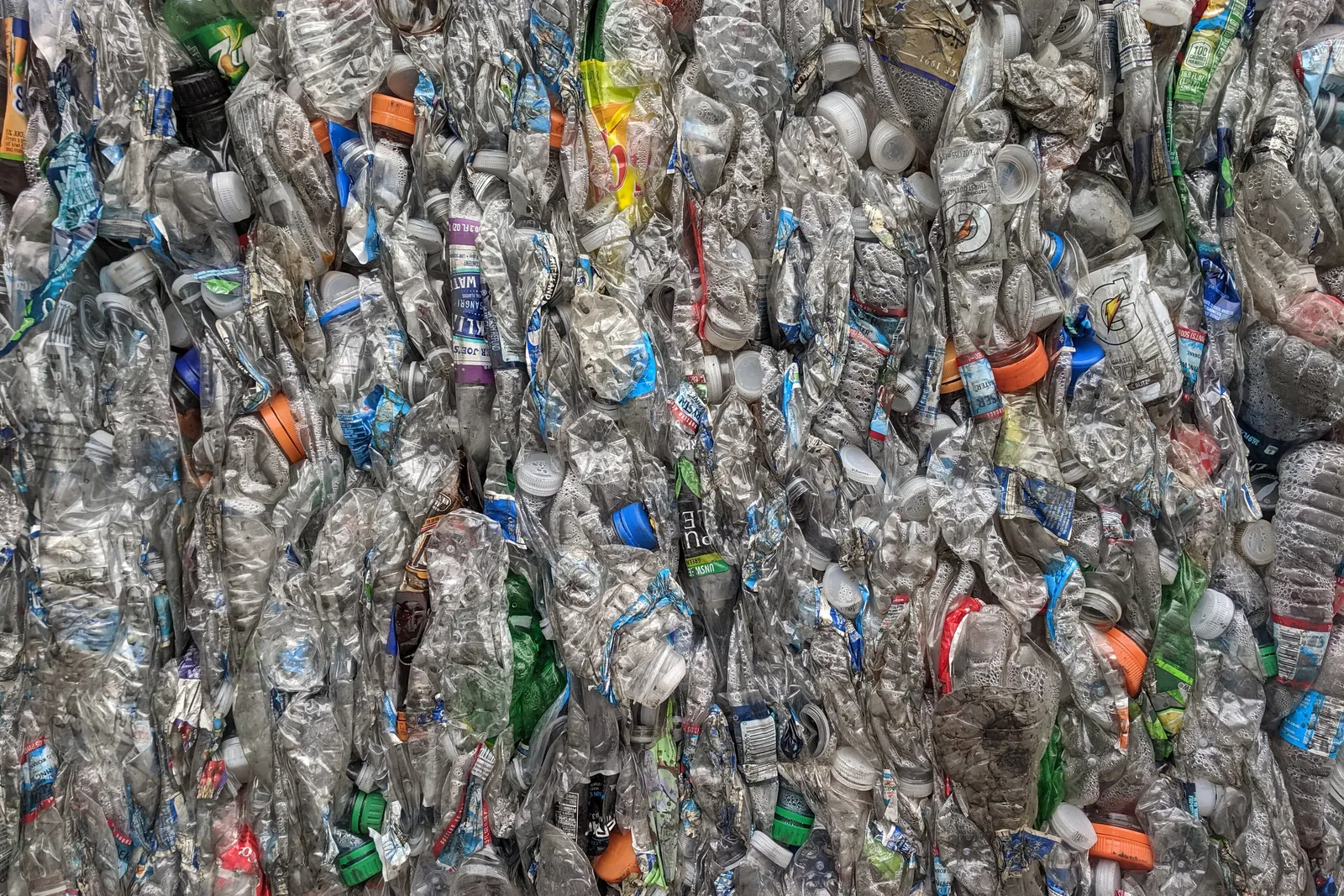
Nanocomposite packaging is not separately identified in collection and sorting, so it can end up in recycling streams designed for unfilled polymer. Two things then matter: whether the filler damages the recycled polymer, and whether it slows the decontamination that makes recycled plastic fit for food contact again.
For mechanical quality the results are mixed. Work reviewed by Sarfraz and colleagues found that for PE and PP, adding a nanomaterial did not greatly change the recycled material compared with conventional recycled plastic. In recycled PET, rising nanomaterial content, especially silver, affected important properties through slight degradation of the polymer.
Decontamination is the larger issue for food-grade recycling. Laridon and colleagues (2020, Polymers) compared pure polyethylene with a polyethylene and organo-modified montmorillonite nanocomposite. The nanoclay raised the activation energy for diffusion of a model contaminant from 47.3 to 78.5 kJ/mol, and removing 95% of the biphenyl took 43% longer. The authors suggest the measured value could be used to set new decontamination times or temperatures for lines that take in nanocomposites.
Airborne release during reprocessing has also been measured. Shredding a polypropylene nanocomposite plate released fewer airborne particles than shredding neat polypropylene, because the particles stayed anchored in the matrix.
Why adoption is slow
Barrier nanocomposites were in beer bottles by 2007, yet the commercial list is still short and dominated by bottle barrier layers. The nanopack.org home page gives the reasons as migration limits, recyclability and cost per square metre, and the evidence above bears each of them out.
In the EU, authorisation comes first. Every nanoform substance used in plastics needs its own dossier, its own EFSA opinion and an Annex I entry that is usually tied to one polymer or use level: titanium nitride only in PET up to 20 mg/kg, nano ZnO only in unplasticised polymers. Antimicrobials that work by releasing ions face a harder test, because the release that makes them work also counts as migration.
Performance depends on processing. The large barrier gains in the literature come from exfoliated structures, while intercalated or poorly dispersed clay gives much smaller improvements, and biopolymer nanocomposites remain sensitive to moisture.
The Imperm claim of a 10% cost premium over PET was for a beer bottle where shelf life justified it. For films and trays competing on price per square metre, a nanofiller has to compete with thicker walls, EVOH layers or coatings, and recyclers then have to handle a filled material with longer decontamination times. The 3D printing filament types guide shows the same dispersion and aspect-ratio physics in filled filaments.
Frequently asked questions
What nanomaterials are used in food packaging?
The most common are montmorillonite nanoclay for gas barrier, silver, zinc oxide and titanium dioxide nanoparticles as antimicrobials, and titanium nitride, silica and carbon black as fillers or additives. Bio-based options include nanocellulose and chitosan nanoparticles, mostly at research stage.
What are examples of nano packaging on the market?
Documented examples include Imperm nylon MXD6 nanoclay barrier layers in multilayer PET beer bottles, Honeywell Aegis nylon nanocomposites, Bayer's Durethan KU 2-2601 nylon 6 nanocomposite, titanium nitride in PET bottles, and nanosilver storage containers sold to consumers outside the EU.
Is nanotechnology in food packaging safe?
EFSA found no migration in nanoform for the particles it assessed in plastics, such as titanium nitride in PET and zinc oxide in polyolefins, and concluded there was no safety concern under the authorised conditions. Nanosilver containers do release some silver, mostly as dissolved ions, and silver nanoparticles are not authorised for plastic food contact materials in the EU.
Are nanomaterials allowed in food packaging in the EU?
Only when specifically authorised. Article 9(2) of Regulation (EU) No 10/2011 says substances in nanoform may only be used in plastics if explicitly authorised and mentioned in Annex I, and as of 2023 that covered titanium nitride and coated and uncoated zinc oxide nanoparticles.
How does nanoclay improve food packaging?
Clay platelets about 1 nm thick and up to about a micrometre wide are impermeable to gases, so well-dispersed platelets make oxygen and carbon dioxide travel a longer, tortuous path through the wall. Loadings of 1-5 wt% are typical, and exfoliated clay gives much better barrier than intercalated clay.
How does nanotechnology help food preservation?
Barrier nanocomposites keep oxygen out and carbon dioxide in, which extends shelf life of products such as beer. Active nanomaterials release antimicrobial ions or absorb oxygen, and nano-based indicators can show oxygen entry or time-temperature history.
Sources
- Commission Recommendation on the definition of nanomaterial (2022/C 229/01), EUR-Lex
- Commission Regulation (EU) No 10/2011 on plastic materials and articles intended to come into contact with food, EUR-Lex
- Commission Regulation (EC) No 450/2009 on active and intelligent materials and articles, EUR-Lex
- Regulation (EC) No 1935/2004 on materials and articles intended to come into contact with food, EUR-Lex
- EFSA Scientific Committee (2021). Guidance on risk assessment of nanomaterials to be applied in the food and feed chain: human and animal health. EFSA Journal 19(8):6768
- EFSA CEF Panel (2012). Scientific Opinion on the safety evaluation of the substance, titanium nitride, nanoparticles, for use in food contact materials. EFSA Journal 10(3):2641
- EFSA CEF Panel (2015). Scientific Opinion on the safety evaluation of the substance zinc oxide, nanoparticles, uncoated and coated, for use in food contact materials. EFSA Journal 13(4):4063
- EFSA CEF Panel (2016). Safety assessment of the substance zinc oxide, nanoparticles, for use in food contact materials. EFSA Journal 14(3):4408
- EFSA CEF Panel (2018). Safety assessment of the active substance selenium nanoparticles, for use in active food contact materials. EFSA Journal 16(1):5115
- FDA (2014). Guidance for Industry: Assessing the Effects of Significant Manufacturing Process Changes, Including Emerging Technologies, on the Safety and Regulatory Status of Food Ingredients and Food Contact Substances
- UK FSA register of food contact material authorisations: titanium nitride, nanoparticles (FCM 807)
- knoell (2023). EU nanomaterials used in food contact materials applications
- European Commission. Food contact materials: legislation
- Sarfraz et al. (2020). Nanocomposites for Food Packaging Applications: An Overview. Nanomaterials
- Nanotechnology: An Untapped Resource for Food Packaging (2017). Frontiers in Microbiology
- Nanoclays-containing bio-based packaging materials: properties, applications, safety, and regulatory issues
- Pal et al. (2021). Polysaccharide-Based Nanocomposites for Food Packaging Applications. Materials
- Laridon et al. (2020). Food-Grade PE Recycling: Effect of Nanoclays on the Decontamination Efficacy. Polymers
- Bazilio et al. (2022). Migration of silver nanoparticles from plastic materials, with antimicrobial action, destined for food contact. Journal of Food Science and Technology
- Echegoyen and Nerín (2013). Nanoparticle release from nano-silver antimicrobial food containers. Food and Chemical Toxicology
- Artiaga et al. (2015). Migration and characterisation of nanosilver from food containers by AF4-ICP-MS. Food Chemistry
- Brody, A. (2007). Nanocomposite Technology in Food Packaging. Food Technology