Home · Materials reference
What things
are made of
Nanopack explains two corners of applied materials science in plain terms: the nanoscale materials used in packaging, and the polymers and composites that go through a 3D printer nozzle.
01 // Materials
3D printing materials
3D printing filaments compared on datasheet numbers: PLA, PETG, ABS, ASA, TPU, nylon, polycarbonate, and carbon fiber and graphene filled grades. All materials guides
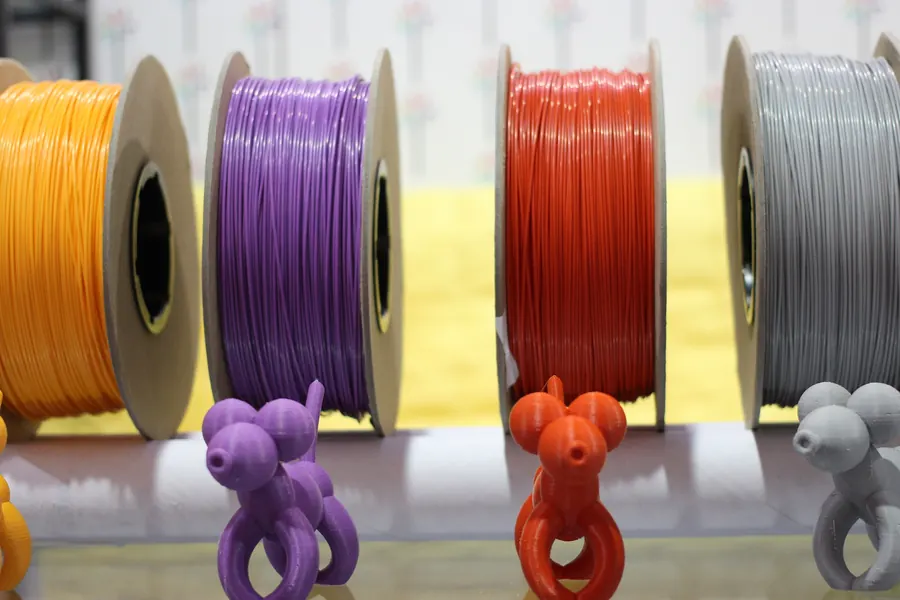 Materials
3D printing filament types: materials compared and when to use each
Compare PLA, PETG, ABS, ASA, TPU, nylon, PC and composite filaments: print temperatures, heat resistance, strength, moisture and which to use for each job.
Read article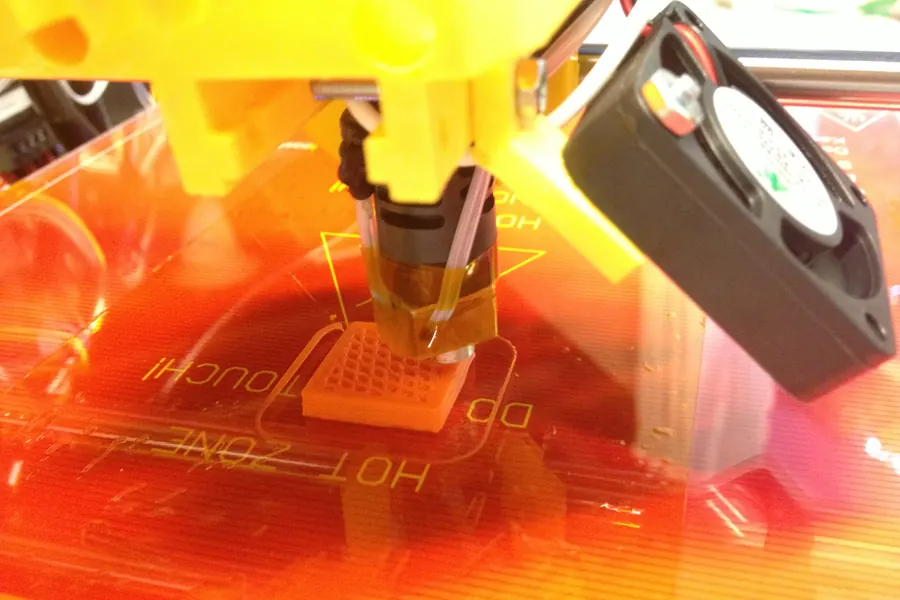 Materials
PLA vs PETG vs ABS (and ASA): which filament for which job
PLA vs PETG vs ABS compared with datasheet numbers: strength, heat resistance, UV and outdoor use, warping, fumes, food contact and when ASA is the better pick.
Read article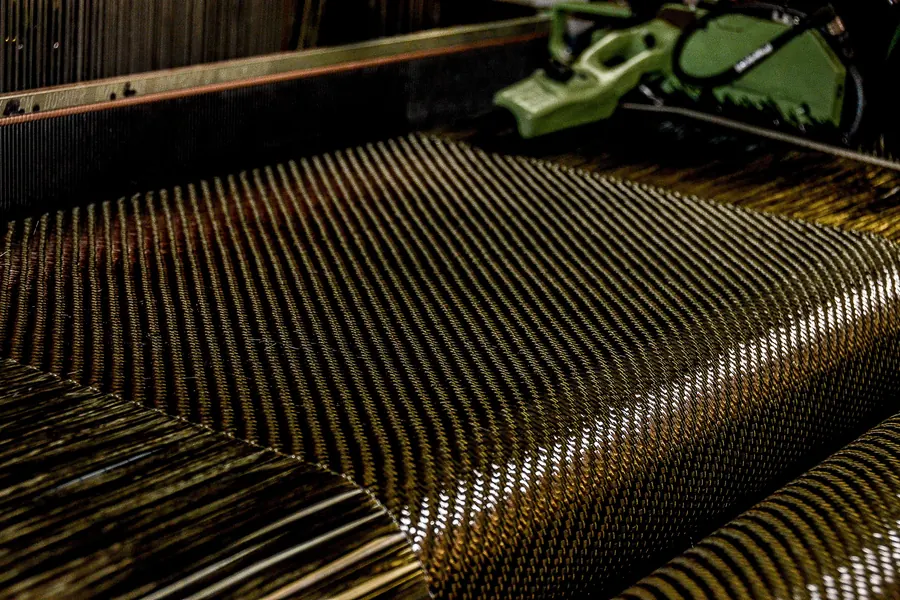 Materials
Carbon fiber, glass fiber and graphene filaments: what the filler changes
What is in carbon fiber, glass fiber and graphene filaments, what the filler changes in stiffness, heat and conductivity, and the nozzle and safety trade-offs.
Read article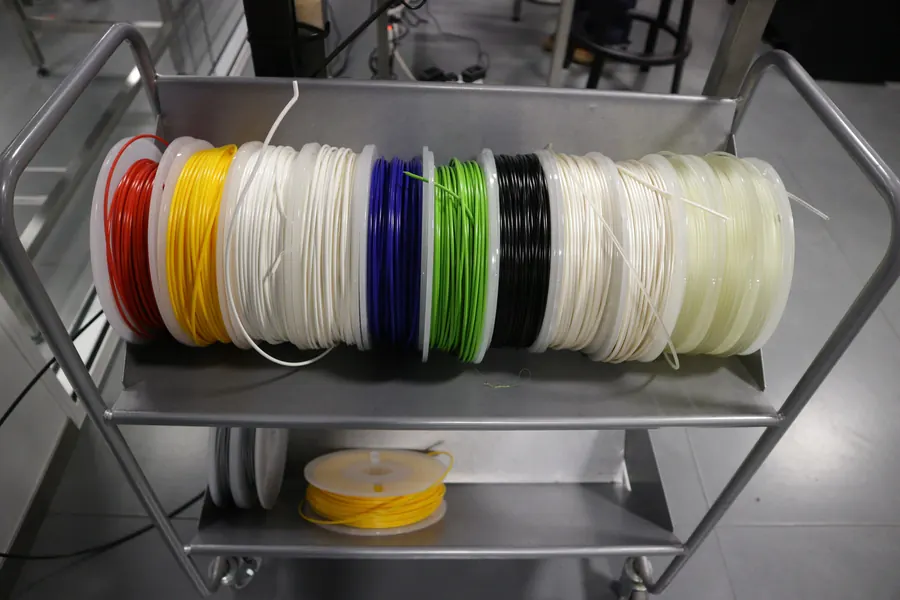 Materials
Drying 3D printer filament: temperatures, times and how to keep it dry
Drying temperatures and times for PLA, PETG, ABS, ASA, TPU, nylon, PC and PVA, what moisture does to a printed part, and how to store filament so it stays dry.
Read article02 // Packaging
Packaging science
Nanomaterials in food packaging, active and intelligent packs, migration and EU and US food contact rules, explained with the regulation cited. All packaging guides
 Packaging
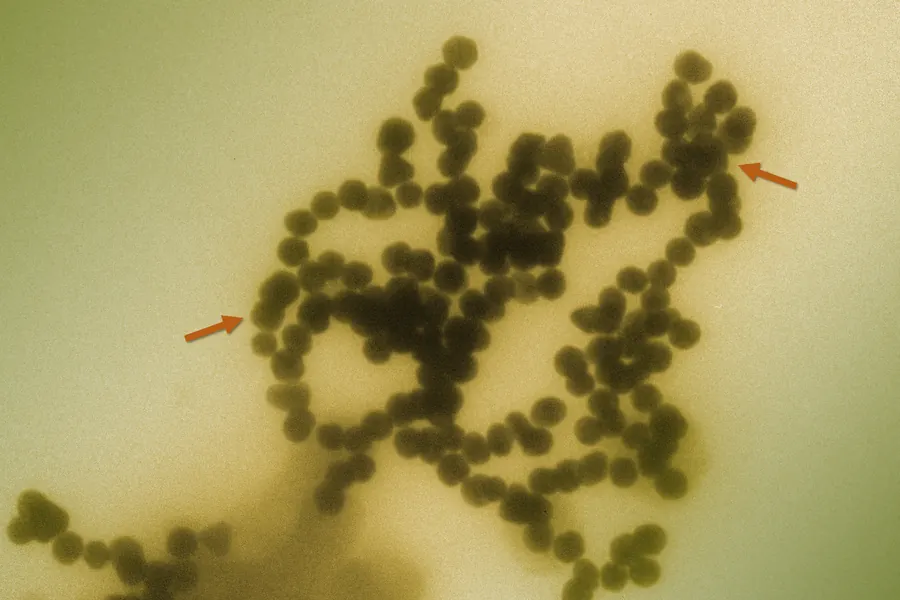
Nanotechnology in food packaging
How nanotechnology is used in food packaging: nanoclay barriers, nanosilver and ZnO antimicrobials, migration studies, EFSA opinions and EU and US rules.
Read article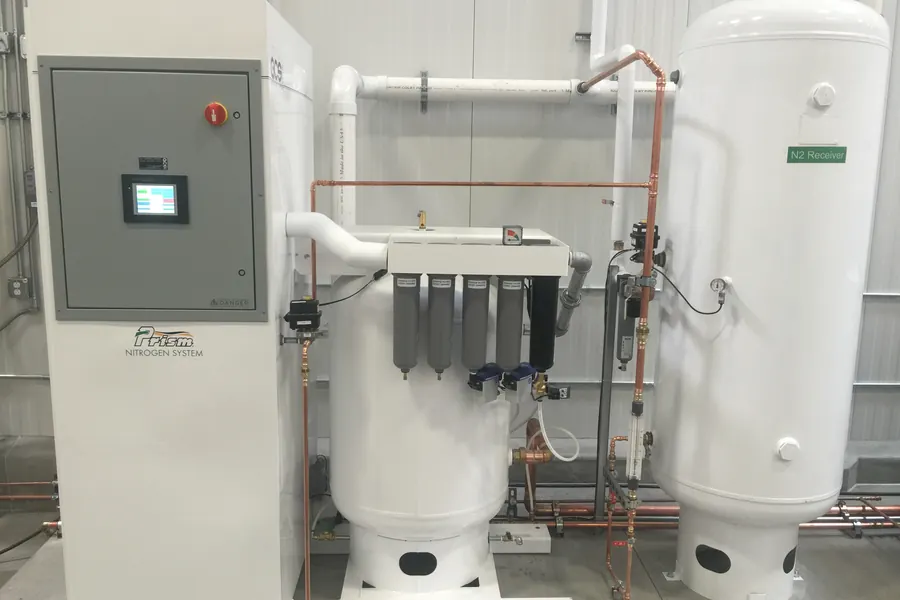 Packaging
Active vs intelligent packaging: definitions, examples and EU rules
Active packaging absorbs or releases substances to keep food fresh; intelligent packaging monitors and reports. EU definitions, examples, labelling, US rules.
Read article03 // Scale
The scale of this site
One logarithmic ruler, 0.1 nm to 10 mm. Each division is ten times the last.
- Nanomaterial, EU definition: 1-100 nm
- Clay platelet thickness: about 1 nm
- Visible light: 400-700 nm
- Carbon fibre: 5-10 µm
- Human hair: 17-180 µm
- Layer height: 0.2 mm
- Nozzle: 0.4 mm
- Filament: 1.75 mm
04 // Terms
Terms worth separating
Words that get used loosely in press releases and product pages, and what they mean on this site.
- Barrier nanocomposite
- Platelets, usually a clay such as montmorillonite, dispersed in a polymer. They do not block gas; they lengthen the path a molecule has to take around them. Permeability falls with the aspect ratio and with how well the platelets are aligned, more than with how much filler is added.
- Active packaging
- The material does something: absorbs oxygen, releases an antimicrobial, scavenges ethylene. The nanoscale part is usually the carrier that controls the release rate rather than the active agent itself.
- Intelligent packaging
- The material reports something, such as a freshness indicator or a time-temperature label. Press coverage often confuses it with active packaging; the distinction is whether the pack acts or only signals.
- Glass transition (Tg)
- The temperature band where an amorphous polymer goes from glassy to rubbery. For a printed part it is the practical ceiling: above it, the part creeps and sags under its own weight.
- Filled filament
- A base polymer carrying chopped fibre, platelets or particles. The filler mostly buys stiffness, dimensional stability or conductivity, and it wears a brass nozzle.
- Migration
- The transfer of substances from a packaging material into food. EU plastics law sets migration limits, and it treats a substance in nanoform as needing its own authorisation.